


Laser Beauty Machine Buying Tips From Manufacturer
Nov 15, 2026
Leave a message
Buying a laser beauty machine is an important decision for beauty salons, aesthetic clinics, and equipment distributors. With so many models, technologies, and suppliers available, choosing the right equipment requires more than comparing prices and technical specifications.
A machine that looks attractive in a product catalog may not necessarily match your business requirements. You also need to consider treatment applications, equipment performance, manufacturing quality, maintenance costs, and long-term technical support.
As a professional aesthetic equipment supplier, NewAngie works with international distributors, beauty salons, and clinic equipment buyers. Based on the practical requirements of equipment sourcing, this guide explains seven important factors to consider before purchasing a laser beauty machine.
1. Identify Your Business Requirements Before Choosing a Machine
The first step is to determine what treatments you plan to offer.
Different laser technologies are designed for different applications. Purchasing equipment without understanding your target market may result in unnecessary costs or limited business opportunities.
Here are several common categories:
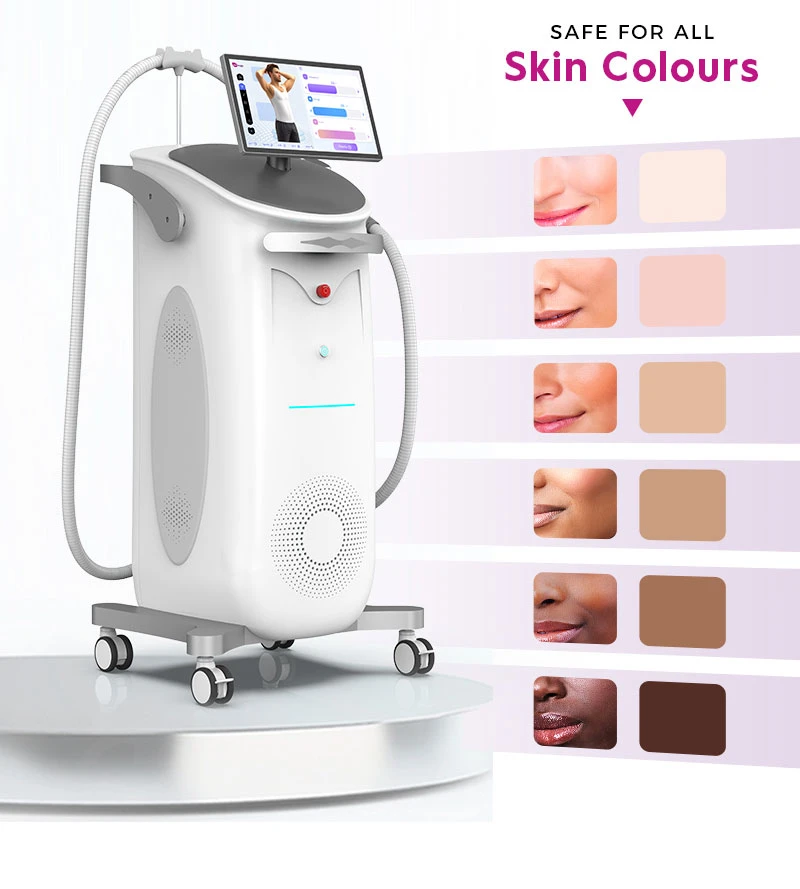
Diode Laser Hair Removal Machines
Diode laser systems are widely used in professional hair removal services. Buyers should compare wavelength combinations, output configurations, spot sizes, cooling systems, and treatment handle designs.
NewAngie offers diode laser platforms with different power configurations, including 1200W, 2000W, and 3000W models, depending on the product series.
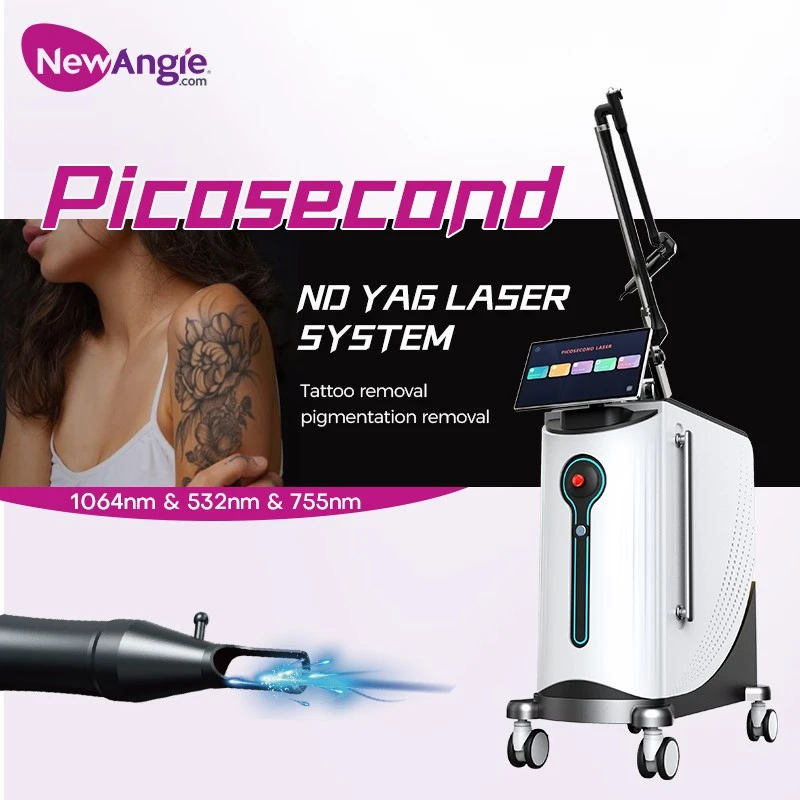
Pico Laser Machines
Picosecond laser systems are designed for specific pigmentation and tattoo-related applications. When comparing machines, check the available wavelengths, pulse specifications, energy output, and handpiece configurations.
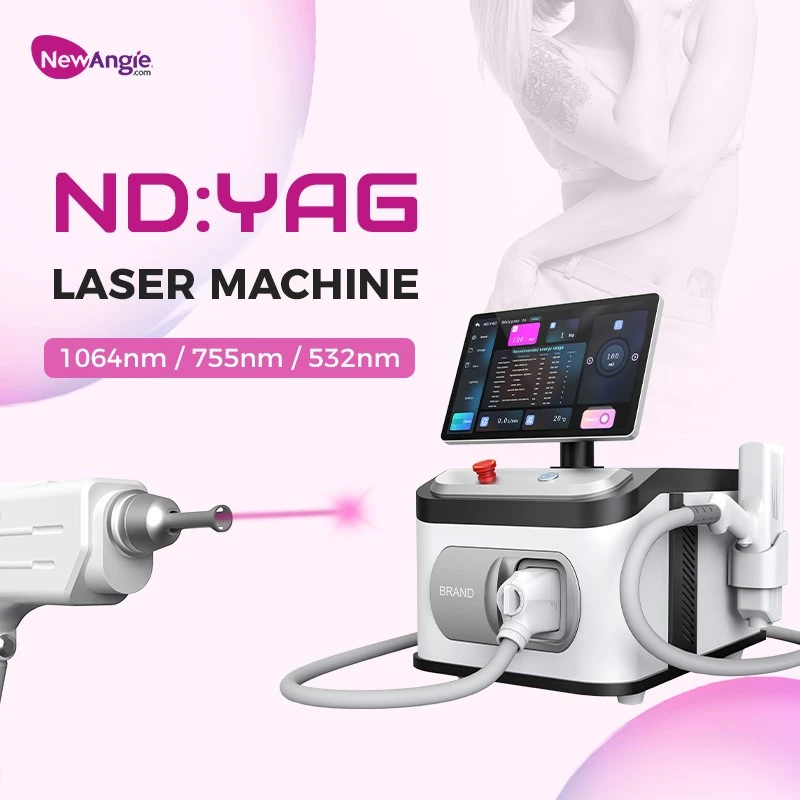
Q-Switched Nd Laser Machines
Q-switched laser equipment is commonly used for selected tattoo and pigmentation applications. Buyers should evaluate wavelength options, pulse characteristics, operating modes, and safety features.
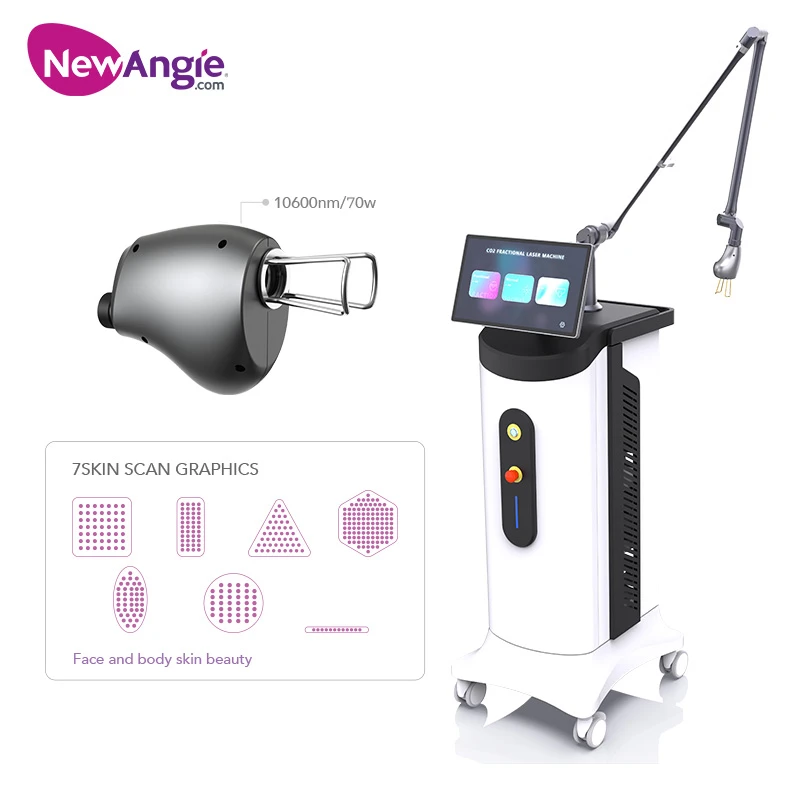
Fractional CO2 Laser Machines
Fractional CO2 systems are used in professional skin resurfacing applications. Important considerations include output specifications, scanning patterns, articulated arm design, cooling arrangements, and operating software.
HIFU and Skin Rejuvenation Equipment
HIFU and laser rejuvenation systems serve different treatment purposes. Buyers should understand the technology behind each platform rather than treating all skin-lifting and rejuvenation devices as interchangeable.
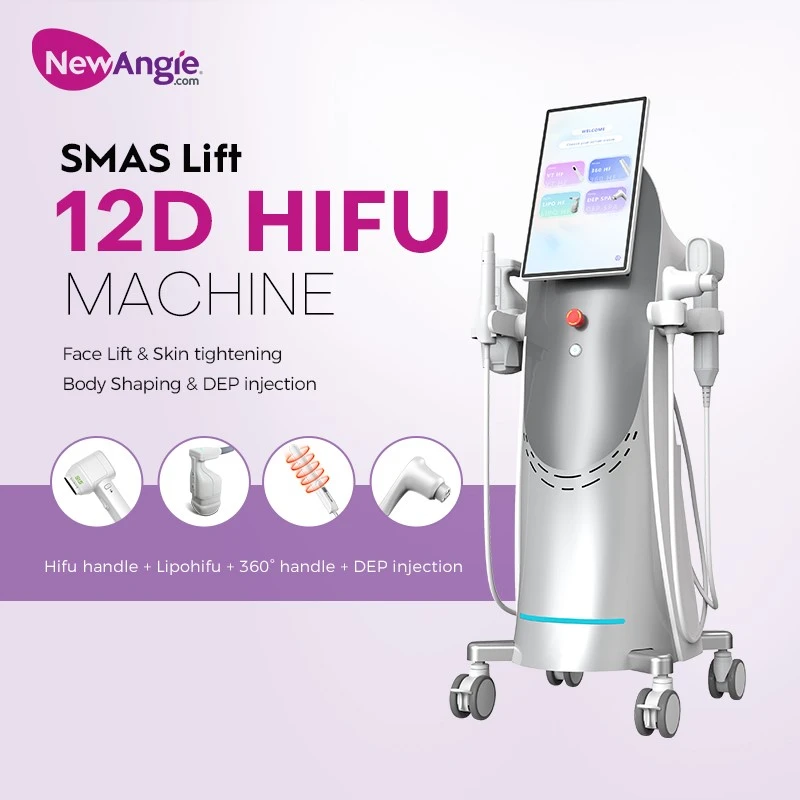
At NewAngie, our product portfolio covers these categories, allowing distributors to source different types of aesthetic equipment from one supplier.
2. Check the Manufacturer's Technical Specifications
Technical specifications are among the most important factors when evaluating laser beauty machines.
However, buyers should understand what each parameter means instead of focusing only on large numbers in advertisements.
For laser equipment, pay attention to:
Wavelength: Determines how laser energy interacts with different target structures.
Output power: Indicates the equipment's power configuration, but does not independently establish treatment effectiveness.
Energy density: Helps describe the energy delivered over a specific treatment area.
Pulse duration: Influences how laser energy is delivered.
Repetition frequency: Indicates how frequently pulses can be delivered.
Spot size: Affects the treatment area covered by each pulse.
Cooling system: Helps manage heat during equipment operation.
For example, when purchasing a diode laser hair removal machine, comparing only 1200W, 2000W, and 3000W is insufficient.
You should also ask about the laser source, actual output specifications, handle design, cooling performance, and operating conditions.
A reliable manufacturer should be able to explain these specifications clearly and provide relevant technical documentation.
3. Evaluate Manufacturing Quality Instead of Looking Only at Appearance
The exterior design of a laser machine is important for brand presentation, but internal components and manufacturing processes have a direct impact on equipment reliability.
Before placing an order, ask the manufacturer about:
Core Components
Find out the origin, specifications, and availability of important components, including laser sources, power supplies, cooling systems, and control boards.
Assembly Process
Ask how the machine is assembled and whether production follows documented procedures.
Functional Testing
Confirm whether equipment undergoes power-on testing, functional inspection, cooling checks, and other relevant quality checks before shipment.
Quality Documentation
Request available inspection records, product specifications, and relevant compliance documents.
NewAngie focuses on equipment manufacturing and product inspection across its aesthetic equipment categories. For distributors planning repeat orders, consistent configurations and documented product specifications are particularly important.
4. Compare the Manufacturer's OEM and ODM Capabilities
If you are purchasing equipment for resale, your supplier's customization capabilities can influence your long-term business development.
Many distributors prefer to sell machines under their own brand rather than offer products with another manufacturer's branding.
This is where OEM and ODM services become useful.
With OEM services, buyers can discuss:
Customized company logos.
Machine housing colors.
Brand labels and packaging.
Operating interface branding.
User manuals and product documentation.
ODM cooperation may involve additional development, such as appearance design, functional configurations, handle structures, and software adjustments.
NewAngie provides OEM and ODM cooperation for international B2B customers across several product categories, including diode laser, pico laser, CO2 laser, HIFU, and 448kHz RF equipment.
For distributors preparing to develop a private-label product line, it is worth discussing customization possibilities before confirming the order.
Not every technical modification is available on every machine, so the final configuration should be confirmed in writing.
5. Understand the Warranty and After-Sales Support
A laser beauty machine is a technical product. Even well-manufactured equipment may require maintenance, component replacement, or troubleshooting during its service life.
This is why after-sales support should be part of the purchasing decision.
Before choosing a supplier, ask:
How long is the equipment warranty?
Which components are covered?
Are replacement parts available?
Can technical support be provided remotely?
Is online operation training available?
How are repair and maintenance requests handled?
For international buyers, communication efficiency is especially important.
A distributor may need to assist local customers when equipment encounters an operating issue. Without timely technical support from the manufacturer, even a minor problem can affect customer satisfaction.
NewAngie provides technical consultation, online training, installation guidance, warranty support, and troubleshooting assistance according to the agreed service terms.
When comparing suppliers, always review the actual warranty conditions rather than relying on general statements about after-sales service.
6. Check Certifications and Import Requirements
Regulatory compliance is another essential part of purchasing laser beauty equipment.
Requirements vary depending on the destination country, product classification, intended purpose, and applicable regulations.
For example, buyers importing equipment into Europe may need to review applicable CE conformity requirements and relevant technical documentation.
For the United States, certain laser and medical aesthetic devices may be subject to FDA requirements depending on their intended use and classification.
Before ordering, ask the manufacturer for:
Applicable conformity documentation.
Product technical specifications.
Manufacturer identification and labeling.
Electrical safety information.
Relevant test reports.
Instructions for use.
Other documents required by the destination market.
Do not assume that every aesthetic laser machine requires the same certificates. A CE mark or an FDA-related document should be verified against the specific product and its intended use.
NewAngie can discuss available product documentation with buyers during the sourcing process so that relevant requirements can be reviewed before an order is confirmed.
7. Calculate the Total Cost of Ownership
The cheapest machine is not necessarily the most economical option.
When purchasing professional laser equipment, buyers should consider the total cost of ownership rather than the initial quotation alone.
| Cost factor | What to consider |
|---|---|
| Purchase price | Machine configuration and included accessories |
| Shipping | Freight, insurance, and import expenses |
| Installation | Setup and technical guidance |
| Training | Operator education and support |
| Maintenance | Regular servicing and replacement parts |
| Consumables | Disposable or replaceable components |
| Downtime | Potential business losses during repairs |
For distributors, another important consideration is the availability of replacement parts and the consistency of future orders.
A supplier offering a competitive initial price but limited technical support may create additional costs over time.
A better purchasing strategy is to compare suppliers based on product configuration, manufacturing quality, service conditions, and long-term supply capabilities.
8. Why Consider NewAngie When Buying Laser Beauty Machines?
Finding the right manufacturer is about more than identifying a supplier with a large product catalog.
Buyers need a partner who understands the requirements of international beauty equipment distribution and can provide practical support throughout the purchasing process.
NewAngie supplies professional aesthetic equipment to overseas distributors, beauty salons, clinics, and equipment businesses.
Our product range includes:
Diode laser hair removal machines.
Pico laser systems.
Q-switched Nd laser equipment.
Fractional CO2 laser machines.
1550nm and 1927nm dual-wavelength laser systems.
HIFU skin lifting equipment.
HIEMT body contouring systems.
448kHz RF equipment.
In addition to standard equipment supply, NewAngie supports several areas of B2B cooperation:
Multiple Equipment Categories
Distributors can explore different aesthetic technologies and develop a broader product portfolio through one manufacturing partner.
OEM and ODM Services
Logo, packaging, machine appearance, and selected technical configurations can be discussed according to project requirements.
Product Inspection
Equipment undergoes relevant manufacturing and functional checks before delivery.
Technical Assistance
NewAngie provides operation guidance, online training, troubleshooting, and after-sales support according to the agreed terms.
International Distributor Cooperation
We welcome inquiries from importers, wholesalers, regional agents, private-label brands, and professional beauty equipment suppliers.